
A Different Approach to Internships
For years, students across The Bahamas have stepped into the world of engineering, architecture, environmental science, and island development through hands-on experiences with BRON’s team. This summer, that tradition evolved into something new: the inaugural BRON Academy, a two-week journey designed to give students a genuine look inside each discipline and the collaboration that drives real projects from concept to completion.
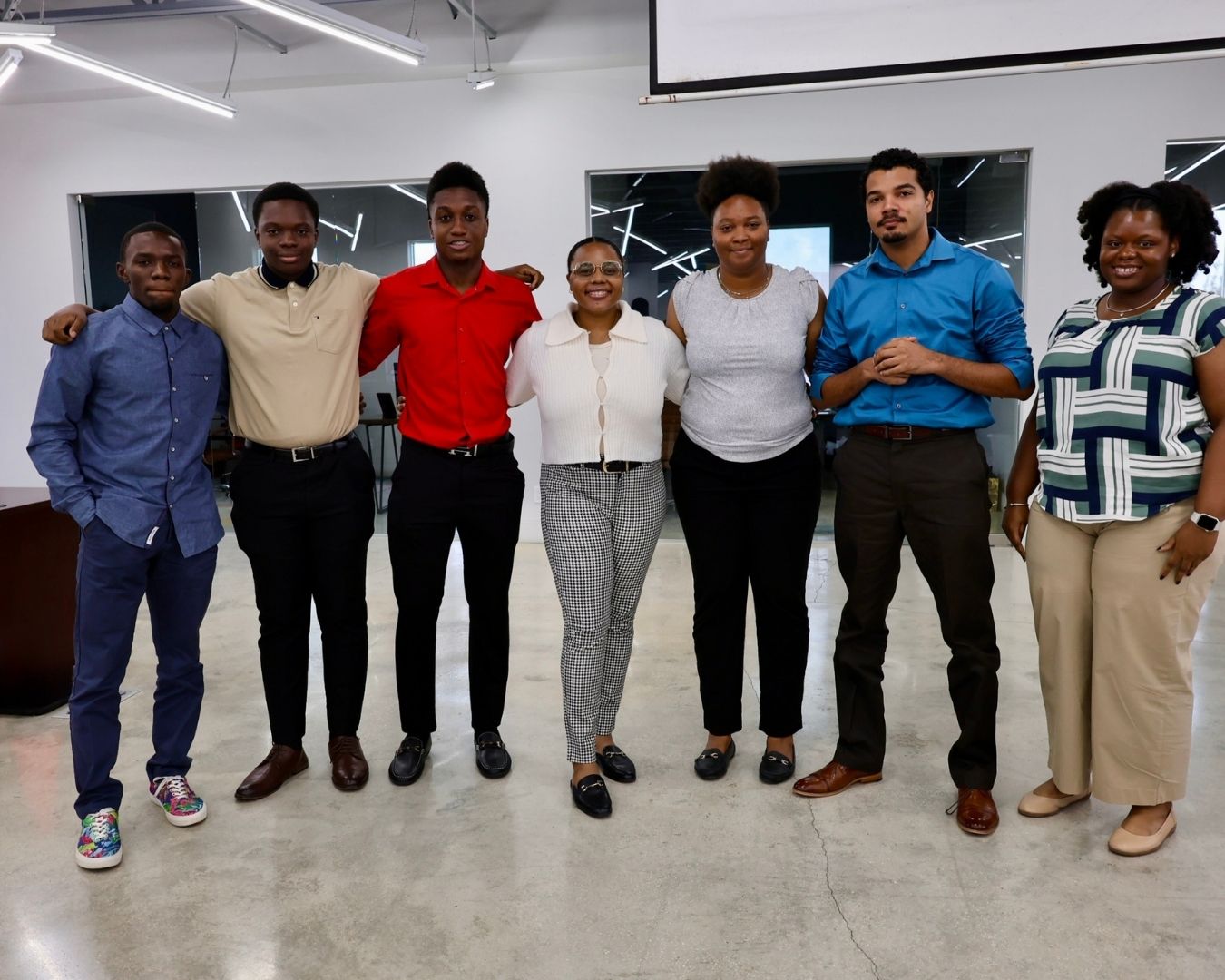
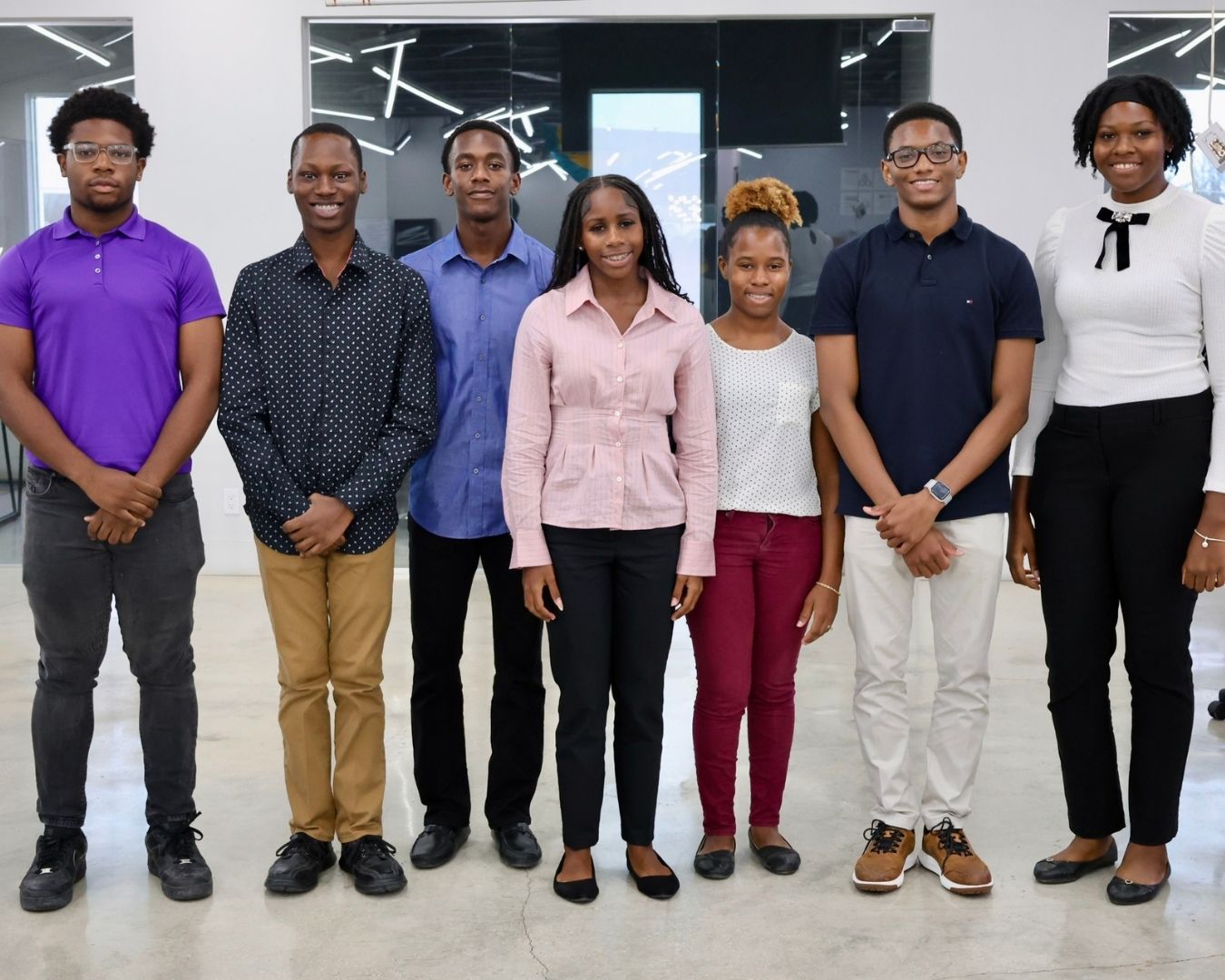
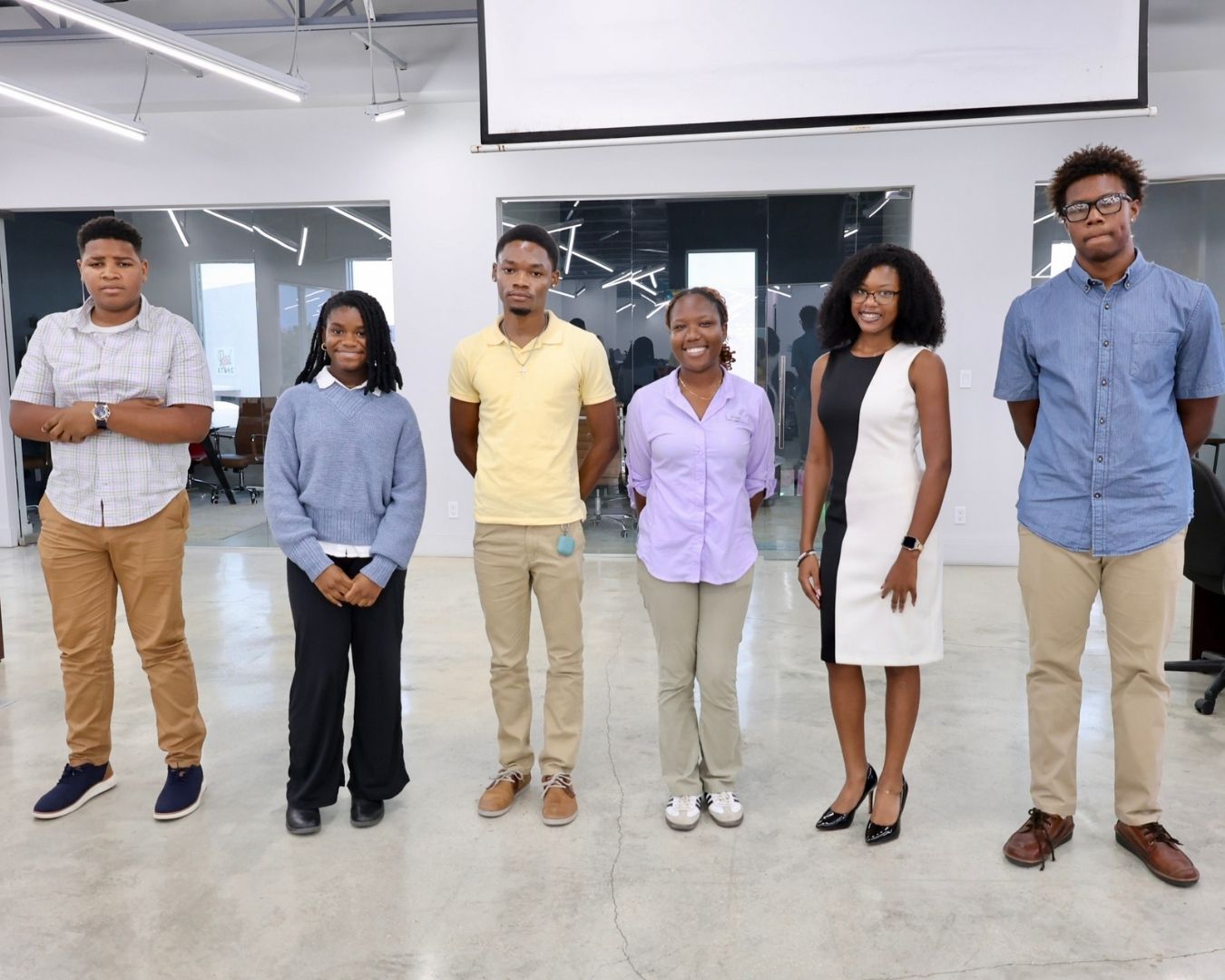
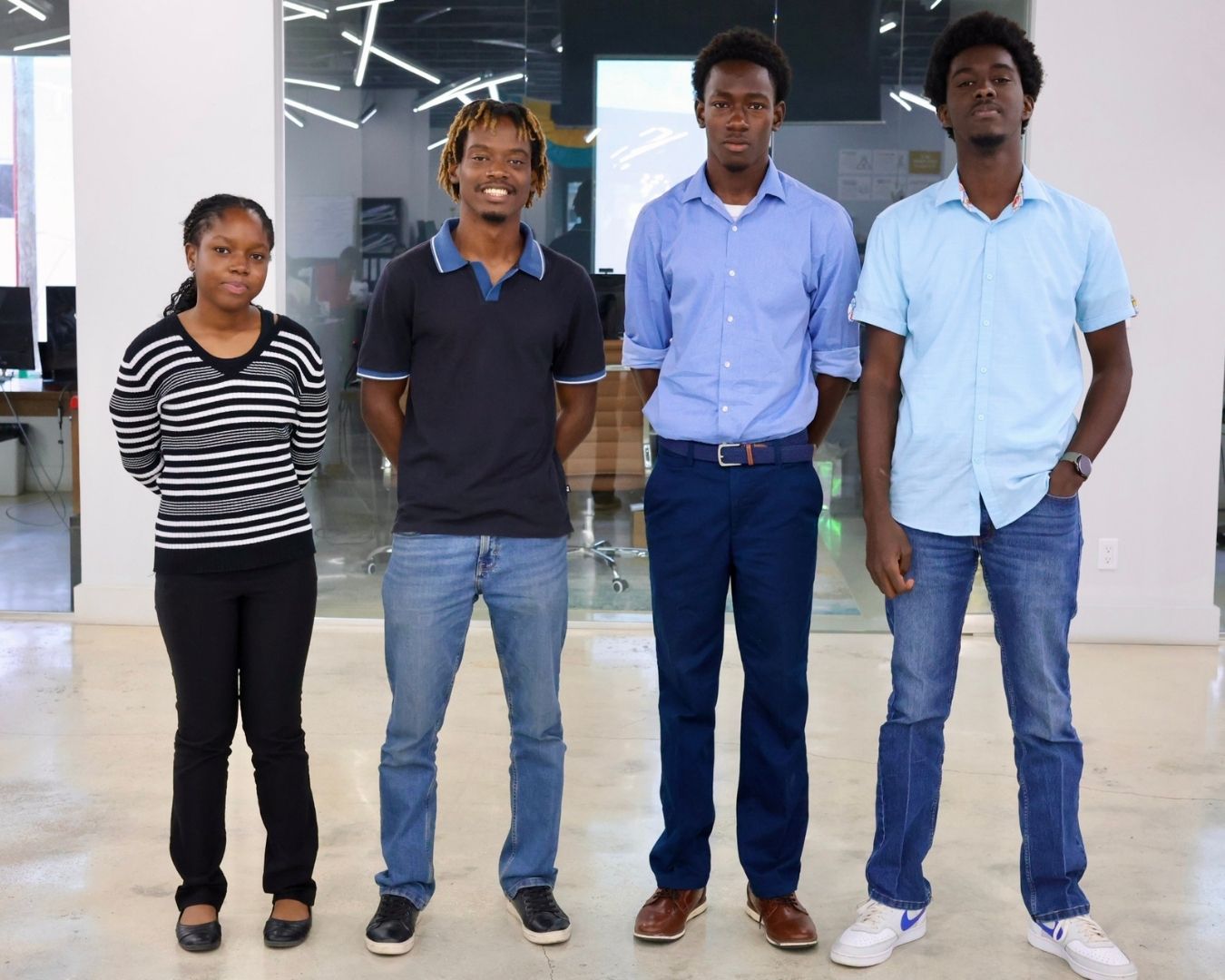
The first cohort brought together 26 students, from Grade 9 through to recent university graduates, each arriving with their own questions, ambitions and perspectives.
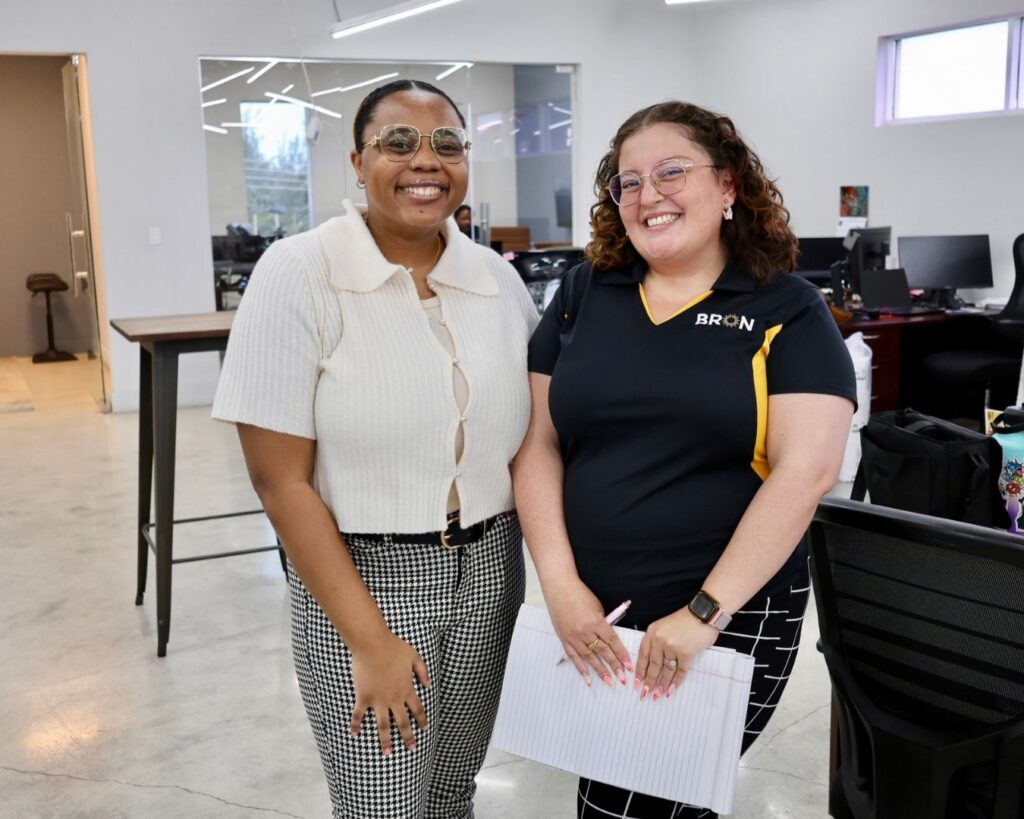
Facilitated by HR Administrator Gabrielle Conliffe and educator Monique Sweeting, the program immersed students in the industry’s day-to-day realities. Each day, a different discipline took centre stage, leading interactive virtual workshops featuring presentations, challenges, games and open discussion. Students explored how project managers, geomatics specialists, architects, environmental scientists, engineers and business professionals each contribute to a project’s life cycle. Along the way, they gained insight into educational pathways, career possibilities, and the kind of teamwork that brings complex projects to life.
Building Career Awareness
Sr. Director of Human Resources & Administration, Tonya Bethel, said the program grew out of BRON’s belief in the value of early professional exposure.
“We launched BRON Academy because we know firsthand that early exposure changes career trajectories,” Tonya said. “Many of our own team members, including Principals, started as interns at BRON, proving just how transformative these opportunities can be. We wanted to scale that success into an impactful, long-lasting program.”
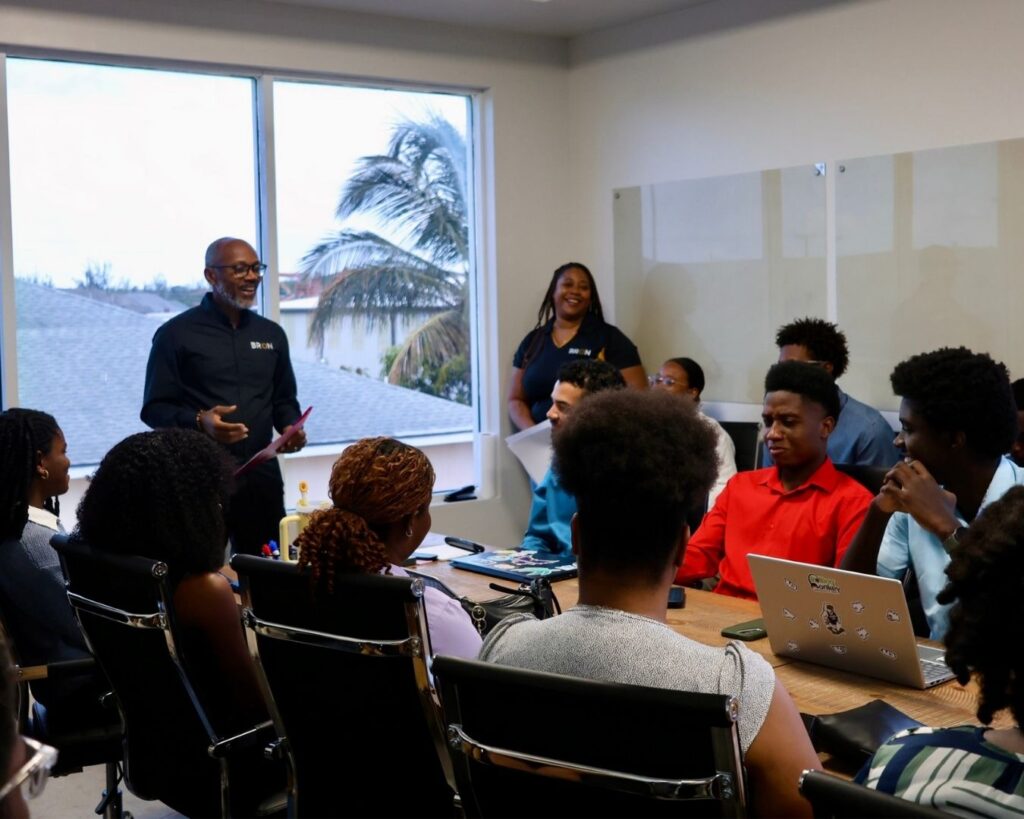
As the sessions progressed, students were encouraged to look beyond individual disciplines and to understand how each specialty contributes to the broader project. Active participation was at the heart of every session, with students also evaluating the presentations based on content, creativity, communication, and audience engagement.
“Our goal is to Make Paradise Possible for both our clients and our team,” Tonya said. “We achieve this not only by continuously developing our internal team, but also by creating meaningful opportunities for Bahamians to apply their talents right here at home.”
This interdisciplinary approach broadened their perspective. Some entered the program already focused on a particular field but soon discovered how closely the disciplines connect. By seeing those overlaps in practice, students were introduced to new possibilities and, in some cases, began considering career paths they had not previously explored.
She noted that for many students, simply gaining exposure is the first hurdle on the path to a future career.
“It’s hard to envision a career path you’ve never seen in action. BRON Academy brings this vital exposure to our youth, bridging knowledge gaps and inspiring the next generation to pursue rewarding careers in island development and STEM.”
Turning Lessons into Practice
Beyond the daily sessions, students worked in teams on a project that asked them to put their new knowledge into action.
Their challenge: develop a concept for an inter-island bridge connecting two Bahamian islands, a task that called for creativity, research, and collaboration.
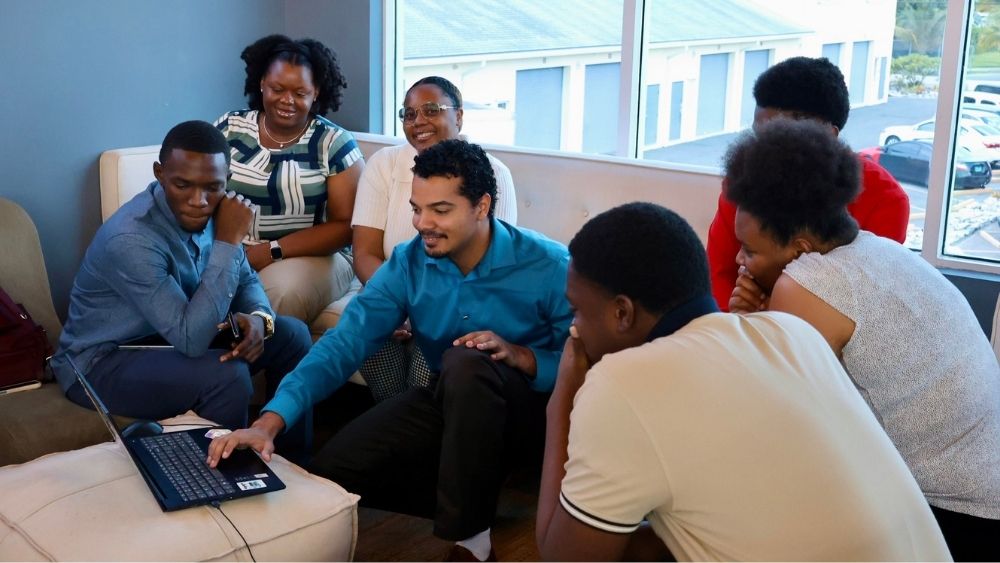
Each group became a “mini BRON,” stepping into the roles of different disciplines to advance its project. Teams chose their islands, identified possible connection points and mapped out how they would plan, design, build and operate the bridge.
The assignment went far beyond drawing up a bridge. Students had to consider land requirements, environmental and social impacts, aesthetics, safety, structural form, road connections and the costs of designing, building, maintaining and operating the infrastructure.
They also identified the role of each discipline, outlined challenges and solutions, developed a high-level work plan and supported their decisions with research and real-world examples.
Presentation Day at BRON
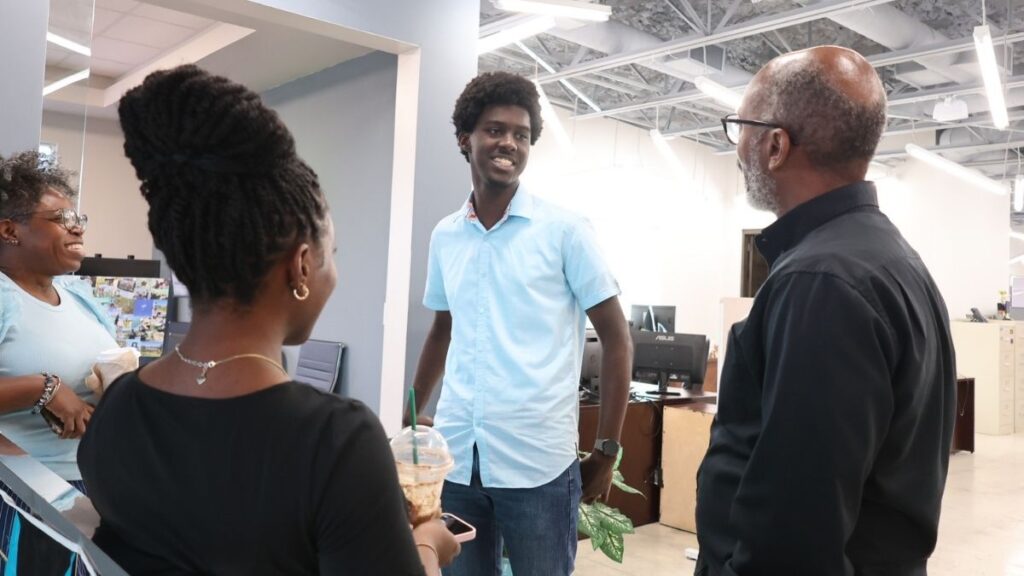
The program concluded with an in-person session at BRON’s Corporate Office, where four teams, Built Different, The Northern Link, The Gateway and Let’s Connect, presented their final bridge concepts to the BRON team. Each team had 15 to 20 minutes to present its research, design approach and recommendations, with projects evaluated on content, presentation quality, communication and teamwork.
Kevin Sweeting, Managing Principal and Civil Lead, said the assignment was intended to test whether students could take the information shared by BRON’s various teams and apply it using an interdisciplinary approach.
“The presentation was to demonstrate that the interns had an understanding and appreciation of how multiple disciplines collaborate to complete complex projects,” Kevin said.
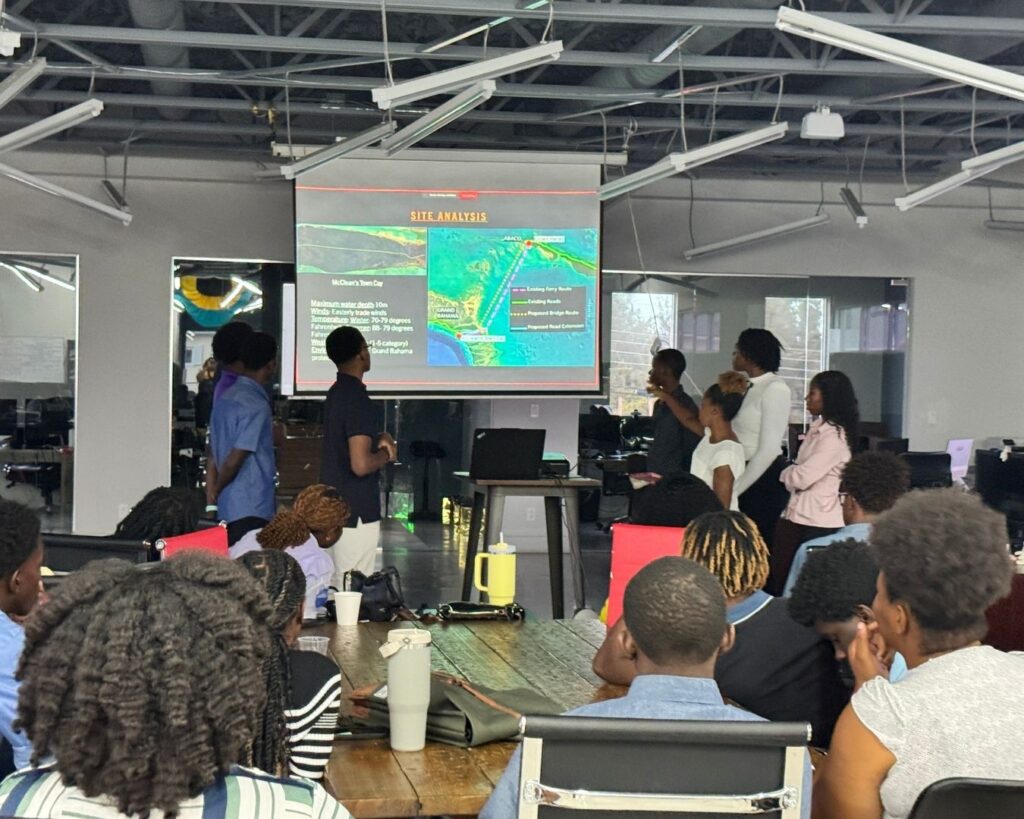
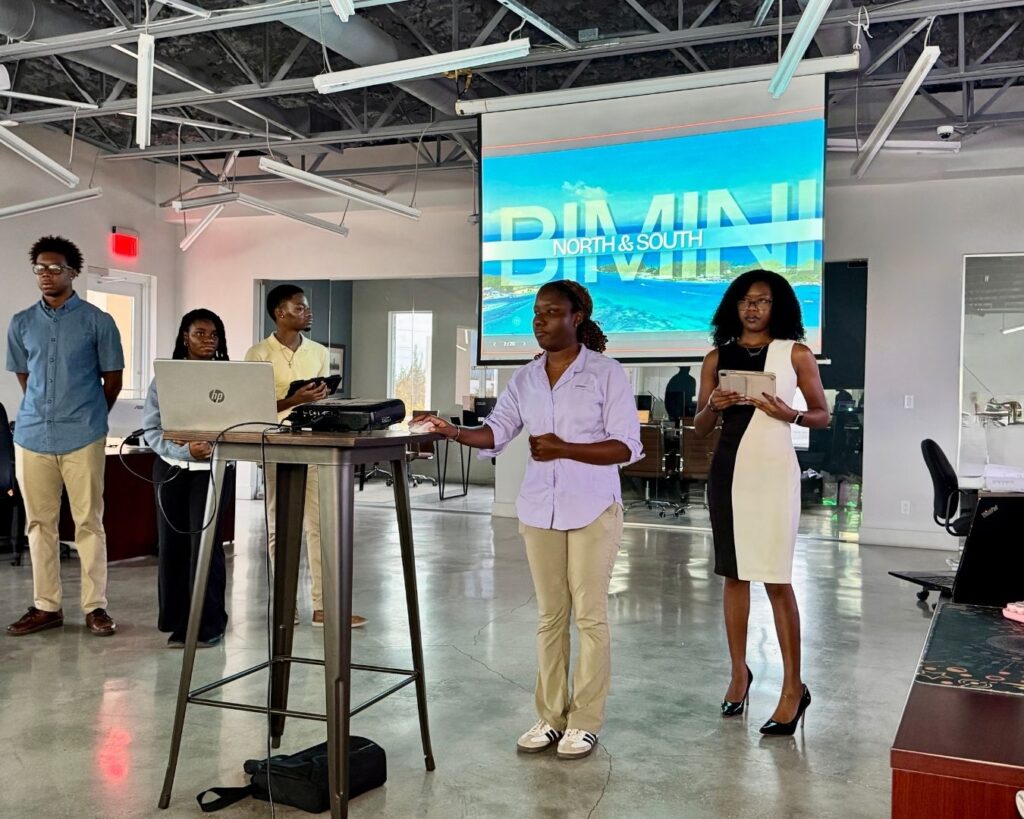
He was particularly impressed by the students’ understanding of project management and interdisciplinary coordination, the amount of research completed in a short period, their use of comparable real-world examples and the rationale behind their selected bridge locations.
“Overall, the presentations were outstanding. They exceeded my expectations for the inaugural year and were comparable to technical presentations by paid STEM professionals.”
Team Built Different took the top spot with their Grabaco Bridge Concept: a 25.8-kilometer link between Fox Town, Abaco and East Grand Bahama, crossing the Little Bahama Bank. The team included Breanna Aranha, Colby Mullin, Elchristma Deveaux, Jayden Clarke, Nathaniel Farrington, Ryesha Pinder and Teajah Johnson.
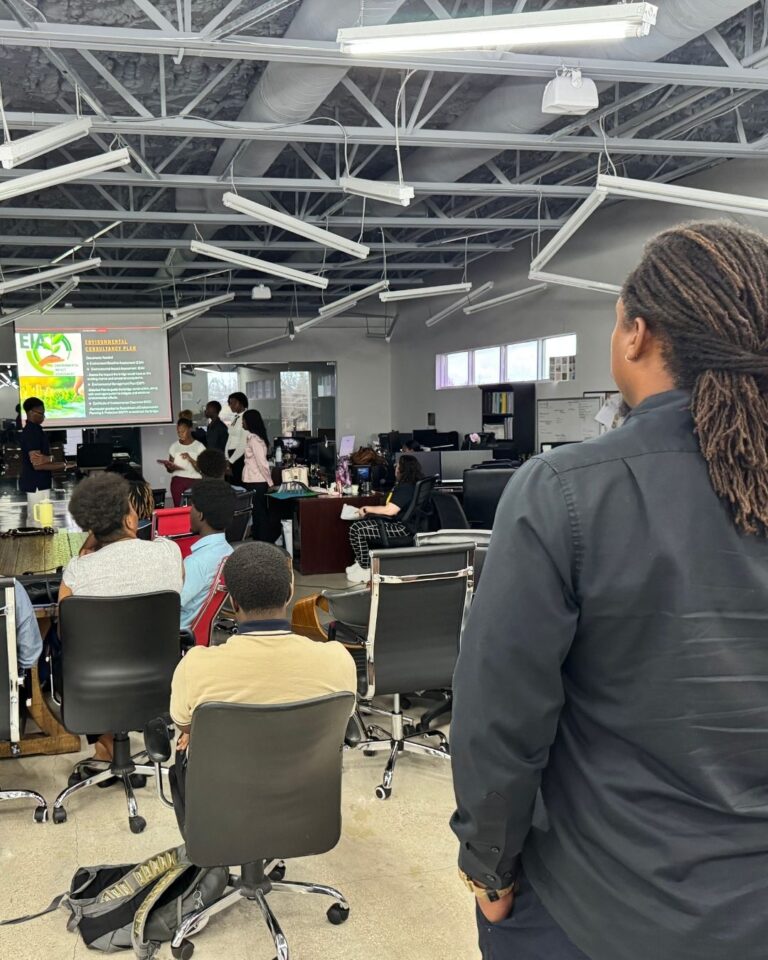
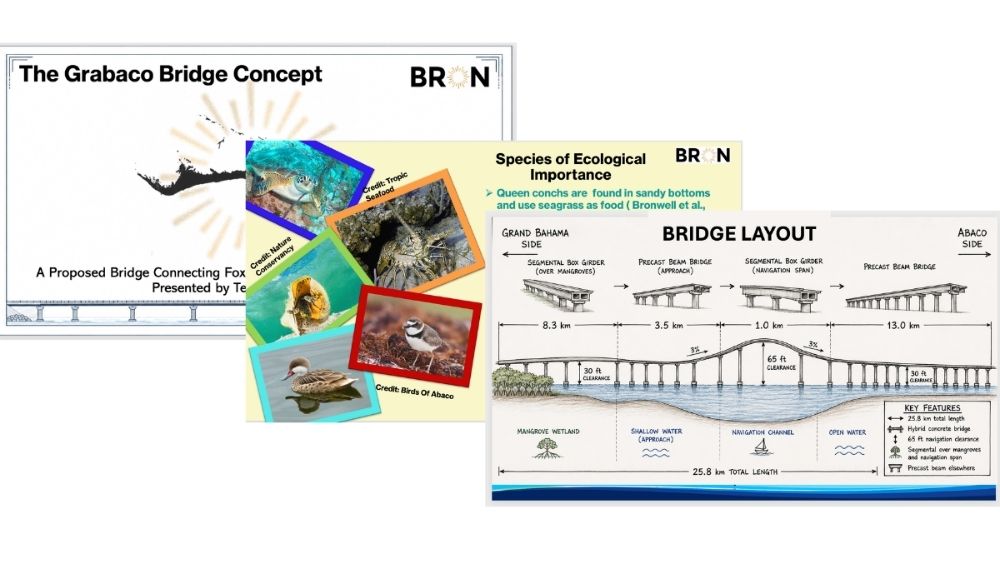
They tackled the project as a consulting team would, assigning roles in project management, environmental review, surveying, architecture, design, engineering, safety and construction. Their presentation explored the route from multiple perspectives: bathymetry and site selection, environmental and socioeconomic impacts, bridge design, navigation, construction, maintenance, and approvals.
After comparing several bridge types and real-world precedents, the team proposed a hybrid concrete solution suited to the long, shallow crossing. Their concept incorporated a 65-foot navigation clearance, a segmental box-girder structure through environmentally sensitive areas, and precast concrete beams along portions of the route. They also explored solar-powered bridge lighting, corrosion-resistant materials, and measures to reduce impacts on mangroves, seagrass, and marine species.
The depth of their work captured what the program set out to achieve: students drawing lessons from across BRON’s disciplines and applying them together to solve a complex challenge.
For Colby, a member of the winning team and a May 2026 Mechanical Engineering graduate of Florida Polytechnic University, the final day made the possibility of a STEM career at home more tangible.
The most memorable part of my BRON Academy experience was visiting the BRON office on the final presentation day and seeing firsthand how an engineering company operates in The Bahamas,” Colby said.
“It was the first time in my life that I had been surrounded by so many Bahamians working in STEM. That experience renewed my spirit and gave me a fresh perspective on what a career in engineering could look like back home.
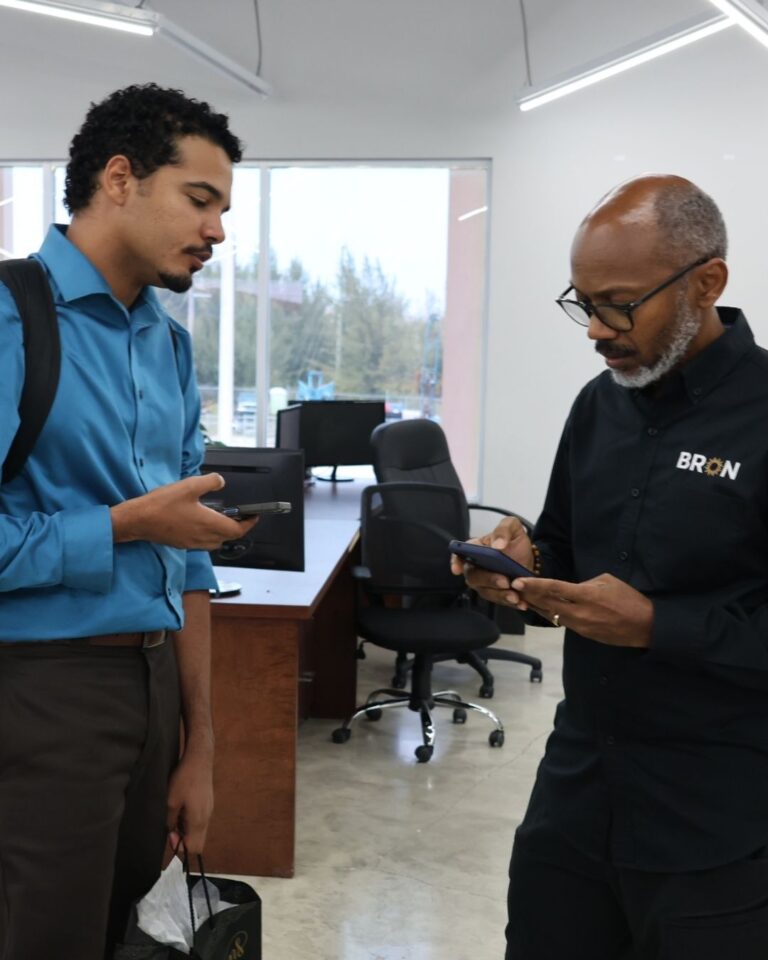
While Built Different earned the top score, The Northern Link, The Gateway and Let’s Connect each brought their own approach to the challenge, demonstrating the research, creativity and collaboration developed throughout BRON Academy.
The day culminated with each BRON Academy student, now an alumnus of the program, receiving a certificate of completion, marking the close of the inaugural Academy and the beginning of a longer-term connection to BRON’s future talent pipeline.
Bridging the Classroom and the Professional World
For students, the experience offered a closer look at how engineering and development decisions are made in the real world. For BRON, it created an opportunity to share industry knowledge while giving emerging professionals space to test ideas, ask questions, and explore the range of careers involved in shaping The Bahamas.
By the end of the two weeks, students had done more than learn what each discipline does. They had experienced how those disciplines connect, challenged one another’s ideas, and worked together to move a complex project from concept to a proposed solution.
Those interested in future internships, early-career opportunities, or employment with BRON can explore current openings and learn more about joining the company’s talent pool through BRON’s Careers page.