
A Life on the Water: Growing Up on Long Island
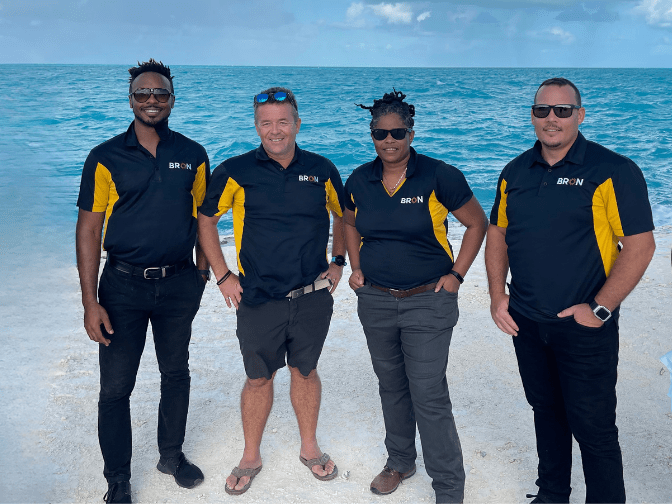
On World Engineering Day for Sustainable Development, Bron Ltd. (“BRON”) celebrates Principal Kenneth “Kenny” Scott’s 15-year milestone, marking significant contributions to coastal and marine engineering in The Bahamas.
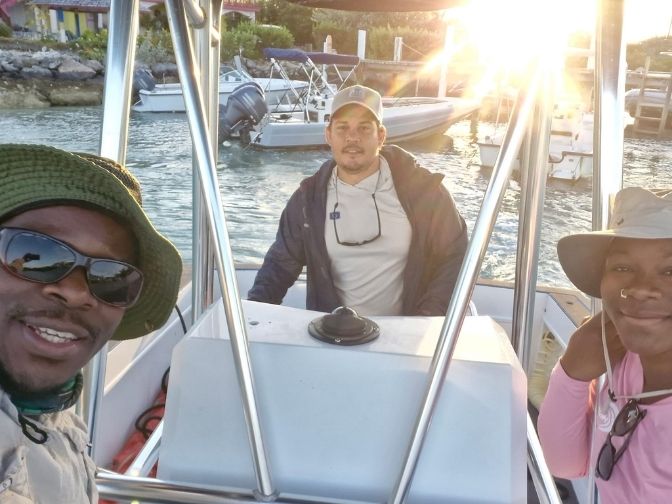
For Kenny, the path toward coastal engineering began long before university or professional licensure. Growing up on Long Island, life revolved around the water. Fishing, boating, sailing, diving, and spending days at the beach were simply part of everyday life.
Those experiences fostered a deep connection to the coastline, influencing his future career.
In high school, a math teacher noticed Kenny’s aptitude for numbers and showed him engineering job listings, opening his eyes to a career in the field.
Exploring academic programs, ocean engineering was a natural fit, blending problem-solving with his passion for the coast.
Kenny went on to pursue a Bachelor of Science degree in Ocean Engineering at the Florida Institute of Technology.

After graduating, he knew he wanted to return home to The Bahamas, an archipelago with one of the highest concentrations of coastline in the region and a growing need for thoughtful coastal engineering.
Building Coastal Engineering at BRON
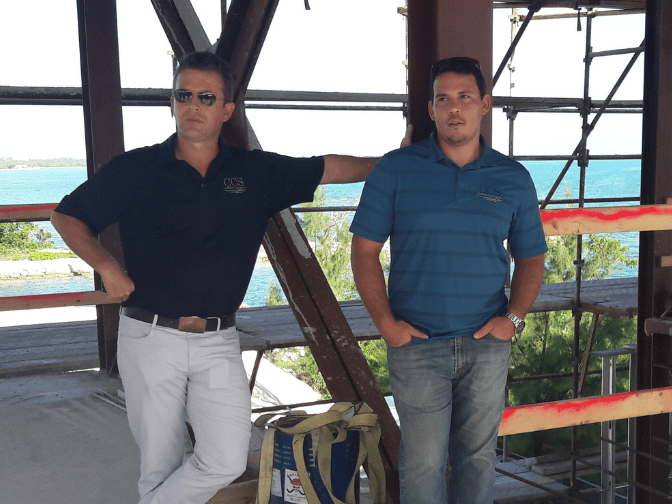
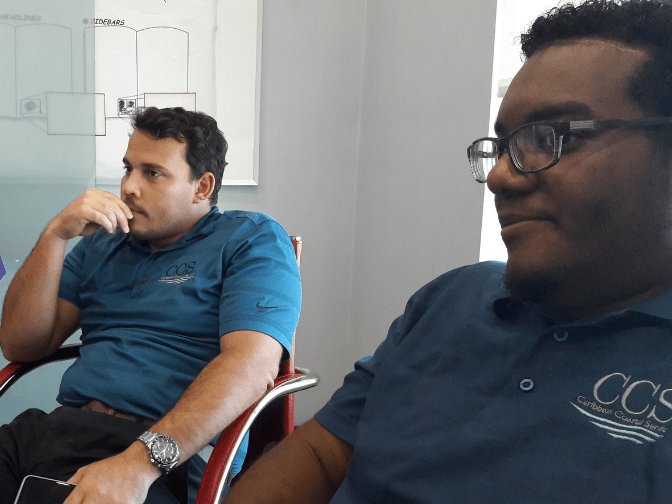
When Kenny joined Caribbean Coastal Services (“CCS”) in 2011, the coastal discipline looked very different.
Most projects involved smaller-scale shoreline work, including individual lots, seawalls, and localized coastal stabilization efforts. Like many firms during that period, the team also balanced structural work to maintain stability through economic downturns.
Over time, the scale and complexity of the work grew.
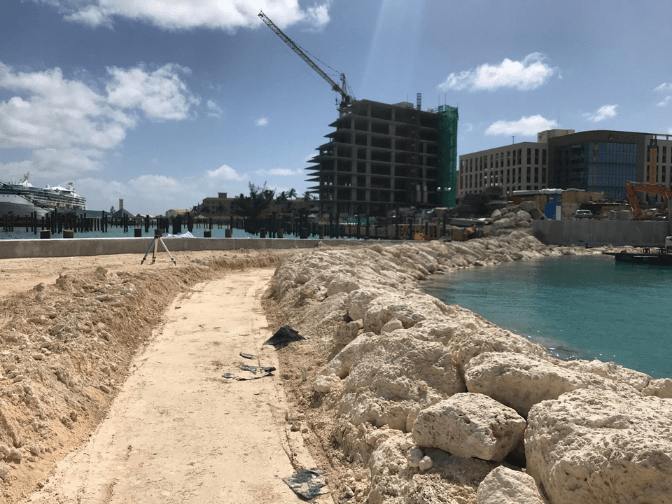
As CCS evolved into the company that would become BRON, the coastal discipline expanded to include complex marina developments, coastal reinforcement, and nationally significant waterfront infrastructure throughout The Bahamas.
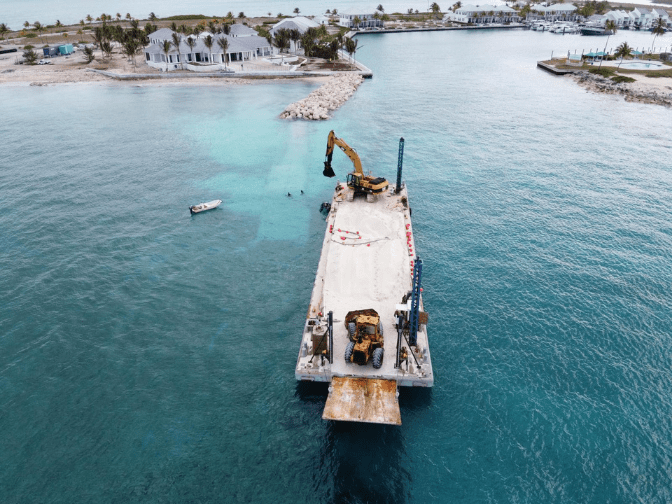
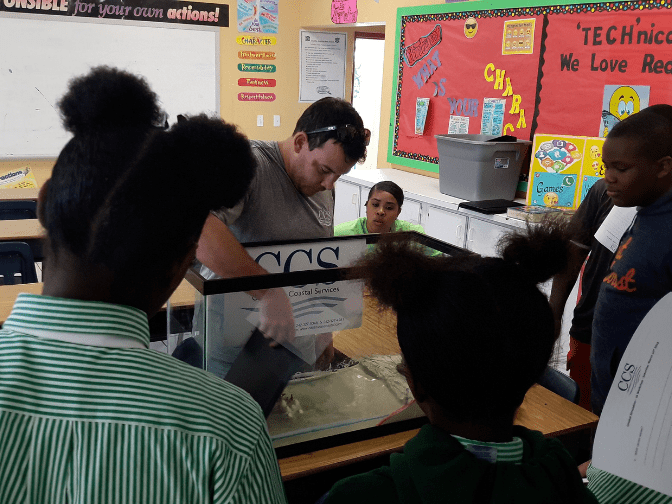
Over the past 15 years, Kenny has helped advance coastal and geotechnical engineering in an archipelagic nation defined by its shoreline.
Today, he leads the discipline as BRON’s Principal of Coastal & Geotechnical and is licensed as a Professional Engineer in both The Bahamas and the State of Florida.
Under his leadership, the firm has delivered a tenfold increase in overall marina capacity, reflecting both technical advancement and the expanding scale of waterfront development across the region.
Engineering for Resilience in an Island Nation
“Coastal engineering operates within a dynamic environment,” Kenny explains. “Our responsibility is to design intelligently to reduce vulnerability and strengthen long-term performance.”
In an island nation experiencing sea level rise, evolving storm patterns, and continued investment in waterfront development, sustainability requires practical adaptation.
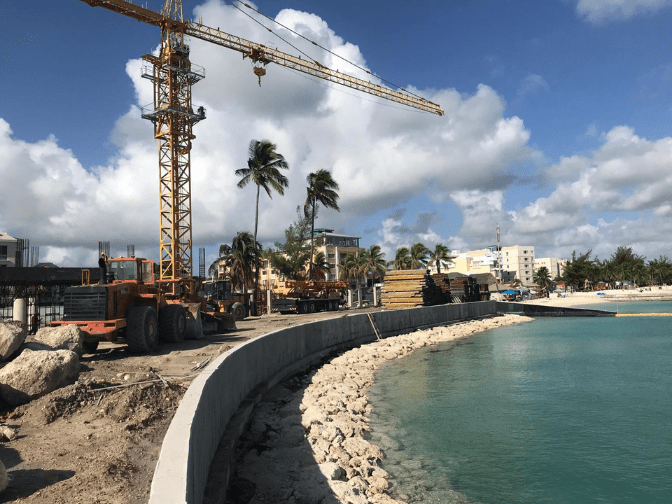
“In The Bahamas, sustainability means integrating sea level rise, storm surge, and environmental change into infrastructure planning from the earliest stages,” he says. “Coastal engineering is not about eliminating risks but reducing impact. Resilience begins at design.”
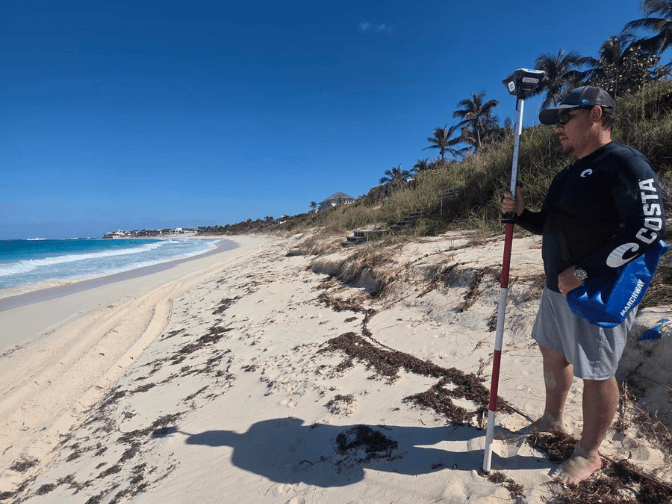
Throughout his career, Kenny has led coastal and marine engineering efforts on projects including Hurricane Hole Marina, Baha Mar, and Prince George Wharf. His portfolio also includes nationally significant initiatives such as post-Hurricane Dorian dune reinforcement in Abaco and projects under the National Recovery and Reconstruction Unit (NRRU), supporting the redesign and reconstruction of government docks in Rum Cay, Acklins, and San Salvador following Hurricane Joaquin.
These projects restored critical maritime access and strengthened supply routes for affected communities.
Looking Ahead: Data, Monitoring, and Coastal Stewardship
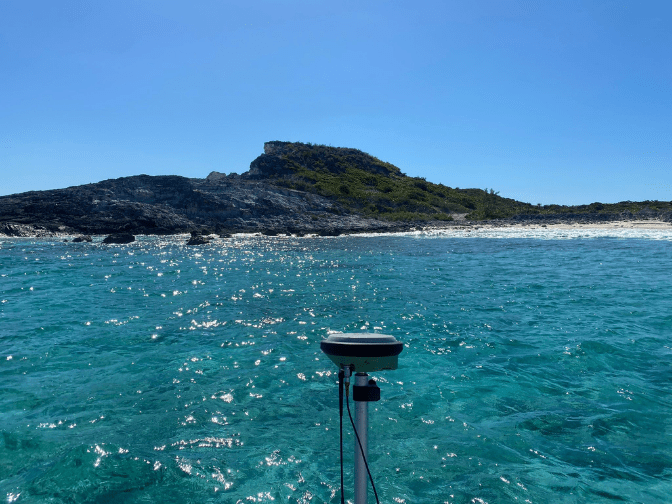
Looking ahead, Kenny identifies national coastal monitoring and data infrastructure as critical components of long-term resilience.
“You cannot manage what you do not measure,” he says. “Investment in tidal gauges, wave networks, and long-term coastal data systems equips decision-makers with the information needed to plan responsibly and build with foresight.”
As development continues across the archipelago, he emphasizes that resilience must remain central to every project, protecting communities, safeguarding infrastructure, and preserving the waters that define the Bahamian way of life.
“Coastlines shape our national identity,” Kenny says. “Ensuring that our beaches, marine infrastructure, and waterfront spaces remain accessible and resilient strengthens the future of The Bahamas.”
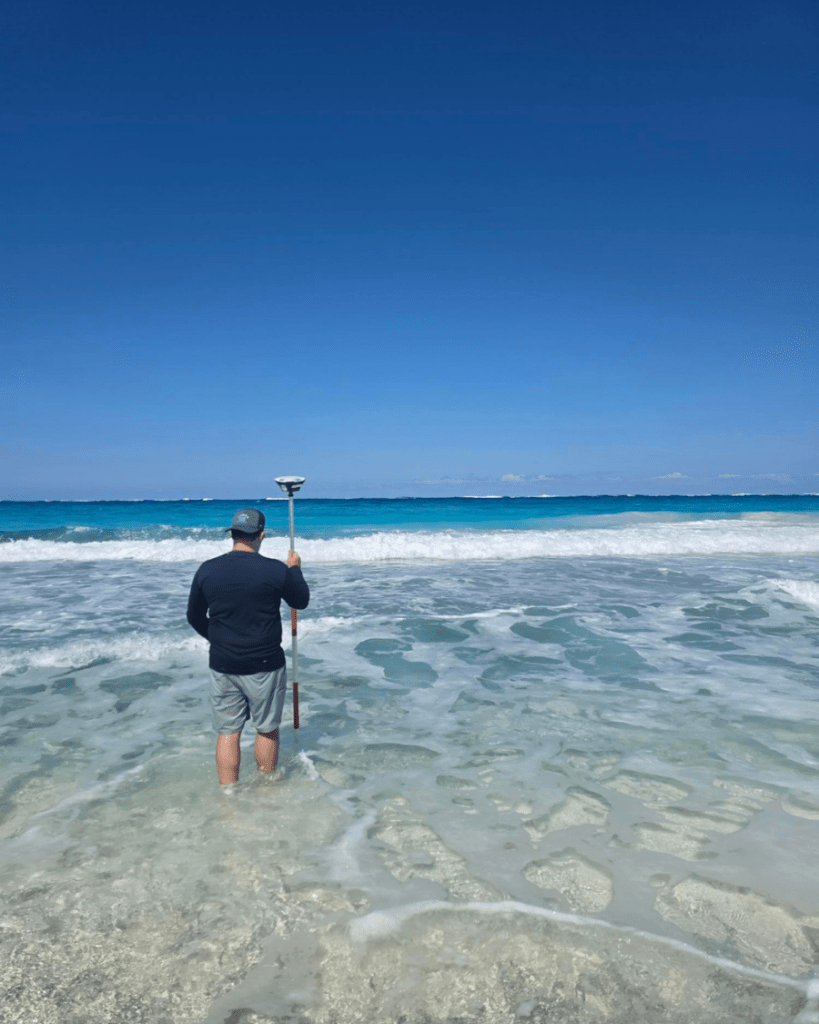
Originally established as Caribbean Coastal Services, BRON was built on coastal engineering expertise. Today, that legacy continues as the firm advances practical, data-driven solutions designed specifically for island environments.
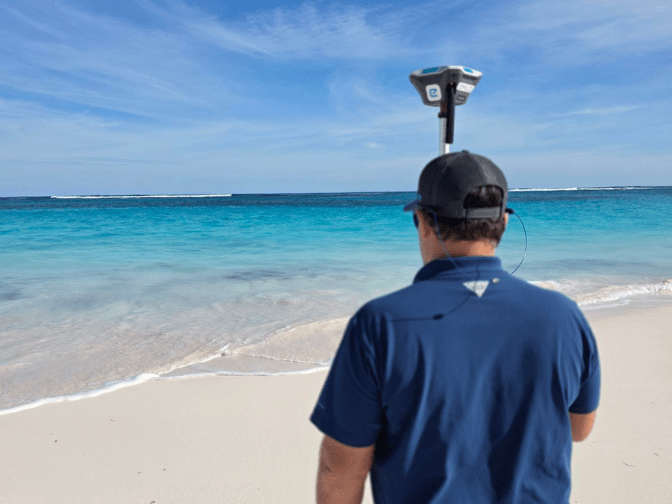
For Kenny, the work ultimately returns to the same connection that began in childhood on Long Island: understanding the water, respecting its power, and designing responsibly along the coastlines that sustain Bahamian communities.